

Philippine Cuisine Map
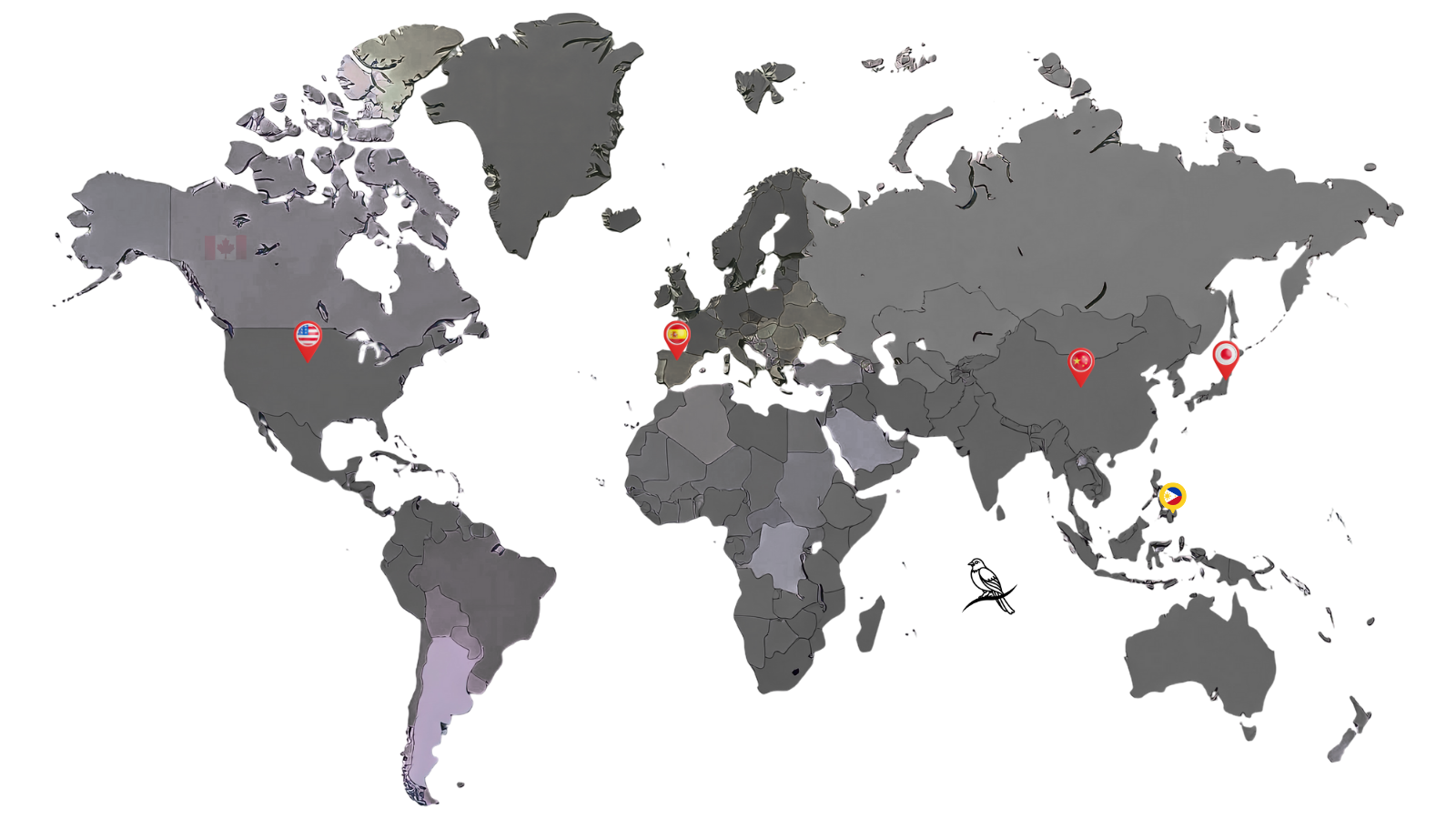
The Evolution of Filipino Cuisine: A Cuisine Shaped by Trade, Travel, and Time
Filipino cuisine did not develop in isolation. Long before colonization, the Philippines was already connected to the world through trade routes that moved people, ideas, and food across oceans.
Because of its location at the crossroads of Asia and the Pacific, the Philippines became a meeting point where cultures didn’t just pass through, but stayed, mixed, and evolved.
This is the story of how Filipino cuisine became Filipino not by copying others, but by adapting the world to its own taste.
A Cuisine That Adapts, Not Imitates
Filipino cuisine is the result of centuries of adaptation.
Instead of replacing old traditions, Filipinos layered new influences on top of existing ones creating food that reflects resilience, creativity, and hospitality.
This is why Filipino food:
Tastes complex yet comforting
Feels both familiar and surprising
Is meant to be shared, not rushed
Why We Tell This Story
Filipino cuisine is one of the world’s most globally influenced cuisines yet one of the least understood.
At Halina, we believe that sharing Filipino food also means sharing Filipino history. Every dish has a journey, and every meal is an invitation to understand where it came from.
Explore the map. Follow the connections.
This is how Filipino cuisine became Filipino.